
 |  |
|---|---|
 |  |
 |  |
 |  |
 |
The word "rupee" was derived from the Sanskrit word रूप्यकम् (rūpyakam). The modern Indian rupee has a direct lineage from the rupiya, the silver coin, issued bySher Shah Suri (1540—1545), continued by the Mughal rulers.
-
Assamese: টকা (ṭôkā)
-
Bengali: টাকা (ṭākā)
-
Bhojpuri: रुपया (rupayā)
-
Gujarati: રૂપિયો (rupiyo)
-
Hindi: रुपय (rupay)
-
Kannada: ರೂಪಾಯಿ (rūpāyi)
-
Kashmiri: روپے (ropyih)
-
Konkani: रुपय (rupaye)
-
Malayalam: രൂപ (rūpā)
-
Marathi: रुपया (rupayā)
-
Nepali: रुपैयाँ (rupaiyã)
-
Odia: ଟଙ୍କା (ṭaṅkā)
-
Punjabi: ਰੁਪਈਆ (rupiā)
-
Rajasthani: रिप्या (ripyā)
-
Sanskrit: रूप्यकम् (rūpyakam)
-
Sindhi: रुपियो (rupiyo)
-
Tamil: ரூபாய் (rūpāy)
-
Telugu: రూపాయి (rūpāyi)
-
Urdu: روپیہ (rupayā)
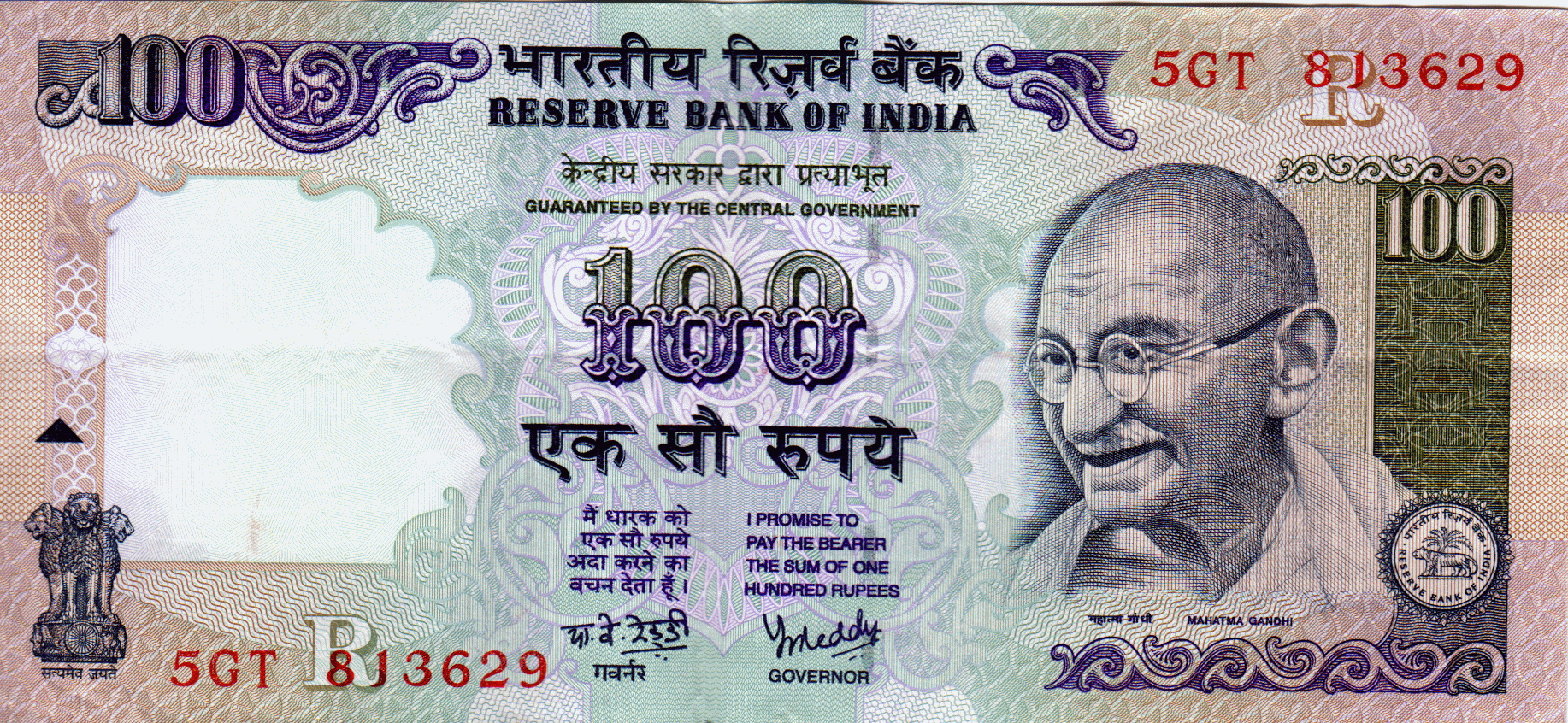
However, in Assam, West Bengal, Tripura and Odisha, the Indian rupee is officially known by names derived from the Sanskrit word टङ्क (ṭaṅka), which means "money". Thus, the rupee is called টকা (ṭôkā) in Assamese, টাকা (ṭākā) in Bengali and ଟଙ୍କା (ṭaṅkā) in Odia. The amount (and the word "rupee") is, accordingly, written on the front of Indian banknotes in English and Hindi, whilst on the back the name is listed, in English alphabetical order, in 15 other Indian languages.